
Inverter off-grid per uso marittimo: guida completa per scegliere energia affidabile in mare
Per hqt
2026.06.24Post correlati
SANDISOLAR collabora con Jinko Solar per realizzare un progetto solare e di accumulo off-grid da 10,7MW
23 settembre 2026
Inverter off-grid da 48V 6kW: Perché i sistemi di batterie a 48V sono comuni per i sistemi solari ad alta potenza
31 agosto 2026
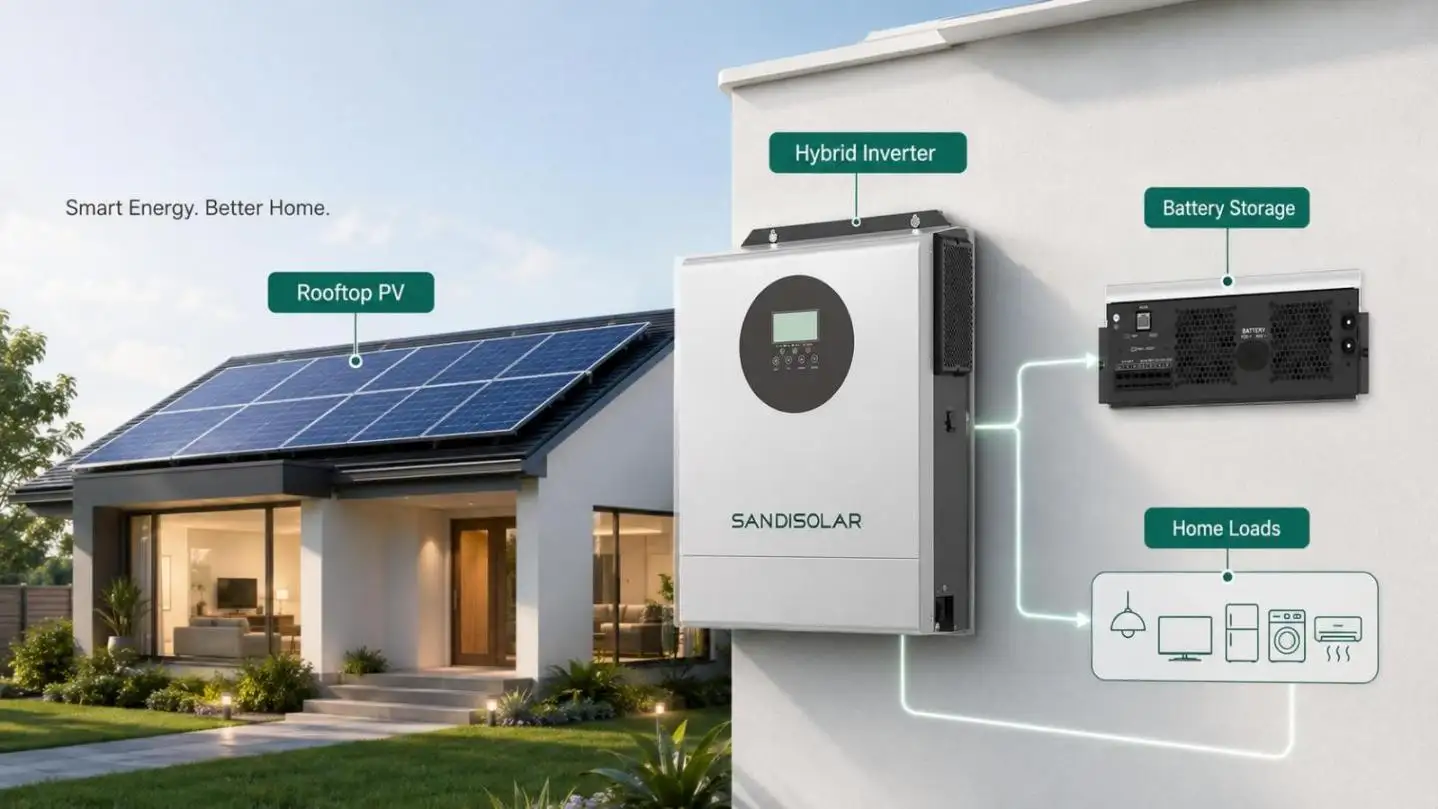
Installazione di sistemi solari residenziali: dimensionamento tecnico, abbinamento del sistema e guida all'installazione
31 agosto 2026
Inverter off-grid per uso marittimo: guida all'acquisto 2024 e migliori pratiche
Man mano che sempre più proprietari di imbarcazioni, liveaboard e flotte charter si orientano verso sistemi pronti per il solare, a luce generatore o addirittura senza diesel, l'inverter off-grid per uso marittimo è diventato una parte fondamentale dei moderni sistemi di alimentazione a bordo. Un buon inverter permette di far funzionare elettrodomestici AC con batterie, ridurre le ore di produzione e godere di maggiore indipendenza in mare.
Questa guida spiega come scegliere e installare un inverter marino off-grid nel 2024, inclusi come dimensionarlo, le caratteristiche chiave da cercare, i consigli per il cablaggio, le considerazioni di sicurezza e le tendenze di mercato che riguardano yacht, imbarcazioni commerciali e imbarcazioni da diporto.
Cos'è un inverter off-grid per uso marittimo?
Un inverter off-grid prende energia DC — proveniente da batterie, pannelli solari o alternatori — e la converte in corrente alternata necessaria per elettrodomestici come microonde, TV o condizionatori. Quando la tua barca non è collegata all'alimentazione di terra o alla rete, questo dispositivo mantiene accese le luci, il frigorifero acceso e l'elettronica in funzione.
In particolare, questi inverter tipicamente hanno:
- Un ingresso DC, solitamente 12, 24 o 48 volt, dalla batteria della barca.
- Un'uscita AC a 110/120 volt o 220/240 volt, a seconda della regione e della vasca.
- Capacità di operare in modo indipendente, con supporto opzionale da un generatore o passaggio per alimentazione a terra.
A differenza di un semplice inverter per auto, i modelli marini sono costruiti robusti—resistenti a umidità, vibrazioni, variazioni di temperatura e rumore elettrico comuni sulle barche—e possono gestire contemporaneamente più fonti di ricarica.
Perché le barche si stanno spostando verso sistemi di alimentazione off-grid?
I costi del carburante e le emissioni guidano il cambiamento
I prezzi del carburante fluttuano e le regole sulle emissioni si stanno inasprindo. Le navi commerciali puntano a far funzionare meno i generatori per risparmiare carburante e ridurre l'usura. I proprietari di barche private vogliono anche un'energia più silenziosa e pulita—niente più generazioni rumorose che operano all'ancora. Regioni come l'UE stanno inasprindo le normative, rendendo le batterie e l'energia solare opzioni più attraenti.
Un inverter efficiente off-grid permette alle navi di fare maggiore affidamento su batterie e energia solare, riducendo bollette del carburante e rumore.
Più batterie solari e al litio a bordo
Negli ultimi anni, i costi dei pannelli solari sono diminuiti e l'efficienza è migliorata. Le batterie al litio—in particolare il fosfato di litio di ferro (LiFePO₄)—sono ora comuni nelle applicazioni marine. Sono più sicuri, duraturi più lunghi e più facili da gestire con i moderni sistemi di gestione delle batterie (BMS).
Questo rende possibile per le barche installare ampi pannelli solari, grandi banchi di litio e un inverter centrale che coordina tutto—carica dal solare, dal motore o dall'alimentazione da terra, e fornendo carichi AC in modo affidabile.
Domanda di comfort domestici in mare
I proprietari e i clienti charter desiderano sempre più comfort moderni:
- Elettrodomestici da cucina come i fornelli a induzione
- Macchine del caffè, macchine ad acqua e microonde
- Condizionamento e refrigerazione
- Opzioni di ricarica per più dispositivi
Un inverter off-grid in grado di fornire queste comodità senza dover dipendere esclusivamente dall'alimentazione da terra, ampliando le opzioni di comfort e funzionalità su traversate più lunghe o ancorate.
Cosa cercare in un inverter marino off-grid
Scegliere l'inverter giusto non riguarda solo le etichette; Concentrati sulle specifiche reali:
Uscita a onde sinusoidali pure
Le apparecchiature sensibili—sistemi di navigazione, radio, piloti automatici—richiedono un'onda sinusoidale pulita per funzionare in modo affidabile. Gli inverter sinusoidali modificati possono far risparmiare denaro ma rischiano di danneggiare o ridurre la vita dei tuoi dispositivi elettronici.
Potenza nominale (continua e a sovratensione)
I carichi di ogni barca sono diversi, quindi scegli un inverter che possa soddisfare le tue esigenze di picco. Ad esempio:
- Piccole imbarcazioni: 1–2 kW potrebbero bastare
- Barche da crociera più grandi: 3–5 kW
- Grandi yacht o imbarcazioni commerciali: 5–10 kW
Stima la potenza totale dei tuoi elettrodomestici, considera l'uso simultaneo e aggiungi un buffer (diciamo 30–50%) per le esigenze future o i picchi di avvio.
Tensione del sistema (12V, 24V, 48V)
Sebbene il 12V funzioni ancora su piccole barche, tensioni più alte (24V o 48V) stanno diventando più comuni:
- I sistemi 12V richiedono cavi molto spessi e alta gestione della corrente
- 24V offre un buon equilibrio per carichi moderati
- I sistemi 48V eccellono per navi più grandi e centrate sul solare, permettendo elevata potenza con cavi gestibili e maggiore efficienza
Scegli un inverter compatibile con la tua configurazione di tensione attuale o pianificata, tenendo conto delle future espansioni.
Caricatore integrato e interruttore di trasferimento
Molti inverter includono caricabatterie integrati e interruttori di trasferimento automatici, che passano senza soluzione di continuità tra alimentazione di terra, generatore e inverter. Questo semplifica l'impianto elettrico e la gestione, soprattutto se la tua barca passa spesso da una marina all'altra e ai porti d'ancoraggio.
Standard di sicurezza e ambientali
Cerca certificazioni da enti marittimi o industriali (IEC, UL, ABYC). Caratteristiche come la protezione da sovracorrenti, sensori di temperatura e sigillatura ambientale sono fondamentali. Il contenitore dovrebbe resistere a umidità e vibrazioni, e la messa a terra deve essere implementata correttamente per prevenire scosse e corrosione.
Monitoraggio e connettività
I sistemi moderni dispongono di display integrati o monitoraggio remoto tramite Bluetooth, Wi-Fi o porte dati. Questi ti permettono di tenere sotto controllo tensione, corrente, SOC e salute del sistema, aiutando a prevenire sorprese e ottimizzare le prestazioni.
Come dimensionare il tuo inverter off-grid
Scegliere la giusta dimensione garantisce affidabilità senza spendere troppo:
1. Definire i vostri scenari d'uso tipici—sia all'ancora, in navigazione o in porto.
2. Elencare tutti i carichi dell'aria condizionata, inclusi frigoriferi, depredacatori, elettronica, elettrodomestici e pompe.
3. Somma i carichi simultanei per trovare la potenza di picco—probabilmente tra 1,5 e 4 kW per la maggior parte delle barche da crociera.
4. Scegliere un inverter con una valutazione leggermente superiore a questo picco (ad esempio, un inverter da 3–5 kW per un carico di 2 kW), con una capacità di sovratensione che copra le correnti di avvio.
5. Assicurati che la tua batteria possa fornire comodamente la corrente continua dell'inverter; Le batterie al litio sono molto adatte, grazie alle loro elevate velocità di scarica.
Ricorda, misura il tuo sistema per il peggiore dei casi: una giornata calda all'ancora con tutti in corsa e senza alimentazione a terra.
Consigli per l'installazione degli ambienti marini
- Montare in un luogo asciutto, fresco e ventilato, lontano dagli spruzzi di acqua di mare o dal calore del motore.
- Utilizzare cavi marini in rame stagnato e una protezione adeguata dei circuiti.
- Mantenere i cavi DC ad alta corrente corti e spessi per ridurre la caduta di tensione.
- Mettere a terra correttamente l'inverter allo schema di messa a terra della nave, rispettando standard come ABYC o regole regionali.
- Fissare tutti i cavi e le custodie per resistere a vibrazioni e umidità.
- Utilizzare cablaggi schermati o intrecciati per segnali sensibili al minimo le interferenze.
Integrazione di energia solare, batterie e generatori
Un sistema bilanciato include tipicamente pannelli solari, batterie al litio, un generatore e una combinazione caricatore/inverter. La chiave è coordinare queste fonti:
- Assicurarsi che i regolatori solari e i regolatori degli alternatori corrispondano alla chimica della batteria.
- Utilizzare le modalità di ricarica multistadio dell'inverter/caricatore per la longevità.
- Considerare i punti di avvio/arresto del generatore in base al SOC e al carico, riducendo il consumo di carburante.
Principali tendenze di mercato nel 2024
- L'uso crescente di sistemi 48V supporta capacità di potenza maggiori senza cablaggio pesante.
- Inverter/caricabatterie ottimizzati al litio con comunicazione BMS intelligente stanno diventando standard.
- Il monitoraggio remoto e la connettività cloud migliorano la supervisione e la manutenzione.
- Soluzioni ibride con condivisione del carico consentono generatori più piccoli e un uso energetico più efficiente.
Scegliere il sistema migliore per la tua nave
Approfondisci le tue reali esigenze—dimensioni della tua barca, uso tipico, aggiornamenti pianificati—e abbina queste con le caratteristiche del sistema:
- Per le imbarcazioni piccole, un sistema affidabile da 1–2 kW potrebbe essere sufficiente.
- Per i cruiser che desiderano maggiore comfort, optare per 3–5 kW con supporto al litio.
- Per navi grandi o commerciali, considerare configurazioni ad alta potenza, ridondanti o scalabili.
Consulta un professionista dell'elettricità marittima se stai apportando grandi cambiamenti o progettando da zero, per garantire sicurezza, conformità e affidabilità a lungo termine.
Consigli finali per l'affidabilità
- Dare priorità ai carichi critici con inverter dedicati se necessario.
- Etichetta chiaramente tutti i cavi e gli interruttori.
- Testare regolarmente i passaggi di sistema e gli allarmi.
- Tieni la documentazione a portata di mano.
- Cerca aiuto professionale in caso di dubbi o lavori su sistemi complessi.
Conclusione
Un inverter off-grid di qualità è ora centrale per il modo in cui le barche generano e gestiscono l'energia, supportando meno carburante, un funzionamento più silenzioso e un maggiore comfort a bordo. Dimensionalo correttamente, installalo bene e collegalo con saggezza al tuo solare, batterie e generatore, e il tuo veicolo godrà di energia affidabile ed efficiente per molti anni a venire.
Per consigli personalizzati, inizia analizzando i tuoi carichi tipici, la capacità della batteria e il profilo di crociera—poi lavora con un esperto elettrico marino per assicurarti che il tuo sistema corrisponda ai tuoi piani futuri.


Contattaci
In questo articolo
Post correlati
SANDISOLAR collabora con Jinko Solar per realizzare un progetto solare e di accumulo off-grid da 10,7MW
23 settembre 2026
Inverter off-grid da 48V 6kW: Perché i sistemi di batterie a 48V sono comuni per i sistemi solari ad alta potenza
31 agosto 2026
Installazione di sistemi solari residenziali: dimensionamento tecnico, abbinamento del sistema e guida all'installazione
31 agosto 2026